Ice Cream Halloween SVG Design Review
There is a specific kind of magic that happens when you blend two seemingly opposite themes: the sweet nostalgia of summer treats and the spooky whimsy of Halloween. As someone who has spent years reviewing machine embroidery designs for both personal hobbies and commercial small business projects, I have seen my fair share of creative mashups. However, not every concept translates well into thread. When I first laid eyes on the Ice Cream Halloween SVG Design, I had to ask myself if this was just another cute graphic or a viable asset for real-world stitching.
The premise is simple yet effective. It targets the "Crafts" and "Graphics" categories with a focus on digital assets that can be adapted for various mediums. But for an embroiderer, the devil is in the details. Does the file structure support clean satin stitches? Is the detail level appropriate for the fabric texture we plan to use? In this review, I am stepping away from the marketing copy and looking at how this design performs when it moves from a screen to a hoop.
First Impressions and Visual Personality
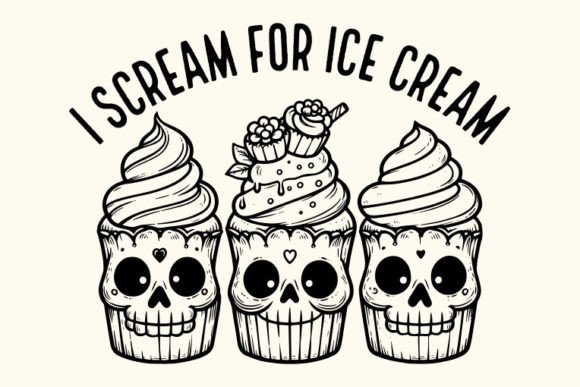
The initial mood created by the Ice Cream Halloween SVG Design is playful rather than frightening. This is crucial because Halloween embroidery often leans too heavily into gore or darkness, alienating customers who want something festive but safe for children. The layout suggests a fun, approachable vibe that fits perfectly into holiday collections without being overwhelming.
From a design perspective, the shapes need to hold up under the tension of embroidery thread. A common pitfall in digital-to-embroidery conversion is losing definition in small areas. Since this design includes high-resolution files (up to 5400px as noted in the product description), the potential for crisp edges is there. The transparency of the background provided in the PNG and SVG formats is a significant plus, allowing me to visualize exactly where the design will sit on a garment or accessory before I even load the stabilizer.
The visual personality feels like a boutique product ready for an Etsy shop. It screams "handmade gift" rather than mass-produced merchandise. For designers looking to create unique items, this design offers a strong hook that stands out against the usual jack-o'-lanterns and ghosts found in generic libraries.
Real-World Application: The Custom Tote Bag Scenario
To truly test the viability of this design, I simulated a real project scenario: creating a custom embroidered tote bag for a local craft fair. Imagine a customer walking up to your booth, drawn in by a display of autumn accessories. They are looking for something unique, perhaps a gift for a niece or a treat for themselves.
If I were to stitch the Ice Cream Halloween SVG Design onto a sturdy canvas tote bag, the contrast between the colorful ice cream scoops and the dark, spooky accents would pop beautifully. The size of the design, likely optimized for standard hoop sizes given the resolution, would look balanced on the front panel of the bag. It transforms a plain utility item into a statement piece. The customer reaction here is key; they see the effort and creativity involved, which increases their perceived value of the handmade product.
This same logic applies to other apparel like sweatshirts or baby onesies. On a soft cotton hoodie, the design adds a layer of seasonal warmth. For baby items, the non-threatening nature of ice cream makes it a perfect choice for parents who want to celebrate the holiday without scaring their toddlers. The versatility allows it to function as a tote bag design, a sweatshirt embroidery accent, or even a centerpiece for a baby embroidery project.
Navigating Technical Challenges and Fabric Limits
While the concept is strong, practical execution requires caution. Not all fabrics play nice with every design. If you attempt to stitch this on a highly textured fabric like a thick chenille or a loose-weave linen, the fine details might get lost in the weave. Similarly, stretchy fabrics like jersey require careful stabilization to prevent puckering, especially around the curved lines of the ice cream cones.
There are also specific scenarios where this design needs careful consideration. Small hoop sizes can be tricky if the design relies on intricate curves that might distort when compressed. If you are working on a cap or a hat, the curvature of the surface can flatten the design visually, making it look smaller than intended. In these cases, scaling adjustments might be necessary.
Dense stitch areas are another factor to watch. If the original vector art contains very tight clusters of detail, converting this to a digital embroidery file could result in excessive thread density. This leads to a stiff, uncomfortable finish that customers might dislike, particularly on items worn close to the skin like t-shirts or aprons. Always inspect the stitch density before finalizing the production run.
Strategic Use Cases for Maximum Impact
- Personalized Gifts: The design works exceptionally well for monogrammed holiday gifts. Adding a name alongside the ice cream theme creates a sentimental touch that buyers love.
- Commercial Embroidery: For Etsy sellers and small shop owners, this design serves as a versatile asset. It can be used on kitchen towels, pillow covers, and even printable mockups to showcase products online.
- Boutique Branding: Consistent use of this style across a product line builds brand recognition. It signals a specific aesthetic that appeals to a demographic looking for whimsical, high-quality goods.
Essential Designer Notes for Success
Before you commit to a full production run, there are several steps every professional should take. First and foremost, always test the design on scrap fabric. This allows you to gauge how the thread colors interact with your chosen material and whether the stitch density feels right. You don't want to discover a flaw after shipping ten orders.
Check the hoop size compatibility early. Ensure that the design dimensions fit within your machine's capabilities without requiring awkward re-hooping. If the design includes lettering, verify that the font remains legible at the intended size. Tiny lettering can easily become a blur of thread on a busy background.
Stabilizer selection is non-negotiable. For a design with varied stitch types, such as satin stitch for outlines and fill stitch for shading, using the correct backing ensures the fabric stays flat. A poor choice here can ruin the finished product regardless of how beautiful the original artwork is.
Finally, consider the licensing terms. Are you allowed to sell finished items made with this design? Do you have the rights to resell the digital file itself? These questions are vital for anyone running a craft business. Without clear confirmation, you risk legal issues down the line. If the product description does not explicitly state the license, reach out to the creator or assume only personal use rights until proven otherwise.
Final Verdict on Stitch Potential
The Ice Cream Halloween SVG Design holds promise as a standout addition to any crafter's library. Its ability to bridge the gap between cute and spooky makes it a strategic choice for seasonal collections. Whether you are decorating a phone case, creating a custom apparel line, or crafting a holiday embroidery gift, this design offers a solid foundation for creativity.
However, success lies in the preparation. By respecting the technical limitations of embroidery—such as fabric texture, hoop size, and stitch density—you can ensure that the final output matches the high quality of the digital preview. For those willing to put in the prep work, this design has the potential to elevate your design assets and engage customers looking for something fresh and delightful this fall.