Let It Bee - SVG: A Designer's Real-World Embroidery Review
As someone who has spent years navigating the intersection of digital design and physical stitching, I approach every new download with a mix of excitement and skepticism. The market is flooded with "cute" graphics, but few translate well from a screen to a needle. When I first opened the Let It Bee - SVG file, my immediate reaction was one of practical curiosity. Does this have the structural integrity for a high-volume Etsy shop? Will it hold up on a stretchy cotton tee? Can it survive the wash cycle without looking like a blob?
This review isn't about marketing fluff; it is a grounded look at how this specific design performs when pulled out of the zip file and put under the presser foot of a machine embroidery setup.
The First Impression: Mood and Visual Personality
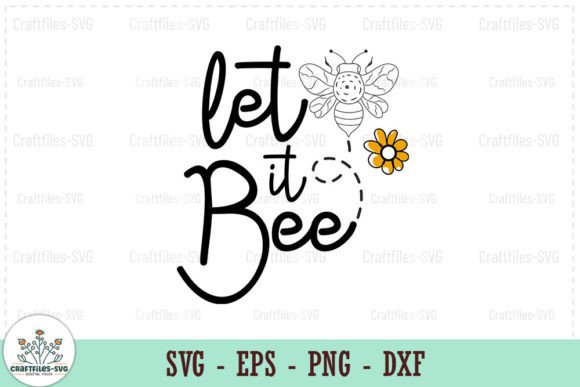
The moment you open the layers in your vector software, the personality of Let It Bee - SVG becomes clear. It carries a whimsical, friendly energy that screams "handmade." Unlike rigid corporate logos, this piece feels organic and inviting. The layout is balanced, with enough negative space around the central bee motif to allow for creative placement on various garments. For a designer or small business owner, this visual clarity is crucial because it suggests versatility. It doesn't feel like it belongs only on a nursery blanket; the clean lines and bold shapes suggest it could anchor a boutique brand identity just as easily.
In terms of detail level, the design strikes a smart balance. It offers enough texture to look professional without being so intricate that it risks losing definition during the digitizing process. This is often the make-or-break factor for crafters using standard home machines. The file structure itself appears logical, which hints at a thoughtful creation process rather than a rushed export.
Real-World Application: From Screen to Stitch
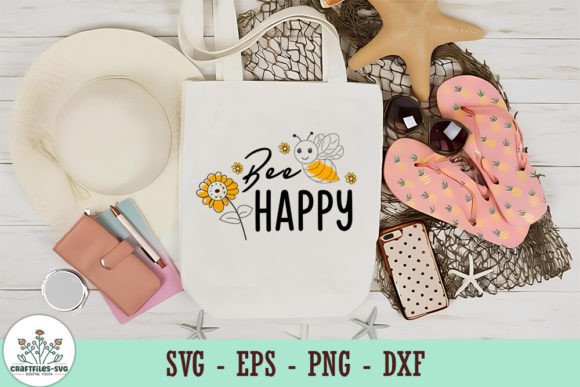
To truly test the viability of Let It Bee - SVG, I imagine placing it on a real project scenario. Picture a custom embroidered tote bag for a local farmers market. The goal is to create a product that customers want to carry home and use repeatedly. The design's size and shape would sit beautifully centered on the front panel of a canvas tote. Because the file includes an EPS format for Illustrator, adjusting the color palette to match a seasonal theme—perhaps swapping a bright yellow bee for a soft pastel for spring—is seamless. This editability is a massive plus for designers who need to offer customization options to their clients.
Consider another scenario: a personalized baby onesie for a gift. Here, the stakes are higher regarding fabric compatibility. The soft curves of the bee work well on the delicate fabric of infant wear, provided the stitch density is managed correctly. If the design is intended for a sweatshirt, the bold nature of the graphic ensures it won't get lost against the heavy fleece texture. However, if you are planning to use this for an embroidered patch to be ironed onto a denim jacket, the clean outlines will help define the edges sharply, making it a strong candidate for that specific application.
The inclusion of multiple formats like DXF and PNG adds another layer of utility. While the primary focus here is machine embroidery, having a raster version allows for quick mockups in marketing materials. You can instantly visualize how the design looks on a dark background versus a light one, ensuring your digital previews accurately reflect the final embroidery project.
Where Caution is Key: Technical Limitations
Even the best designs have their boundaries. When evaluating Let It Bee - SVG for commercial production, there are specific areas where caution is required. Small hoop sizes present a significant challenge. If you attempt to stitch this design on a 4x4 inch hoop, the outer details might get clipped or the spacing between stitches could become too tight, leading to puckering. Always verify the dimensions before committing to a small garment like a child's hat or a cap brim.
Fabric texture is another critical variable. On highly textured fabrics like bouclé or thick terry cloth, the fine lines of the design may not register clearly. Similarly, on stretchy knits, the tension of the thread can distort the shape if proper stabilizer techniques aren't employed. Dark fabrics also require a strategic choice of thread colors; while the design is editable, poor contrast choices can make the bee disappear into the background. For these reasons, testing on scrap fabric is non-negotiable.
Additionally, if you plan to sell finished items bearing this design, pay close attention to the licensing terms included in the package. Some files restrict commercial use on a per-item basis or require a specific license type for mass production. Assuming rights without verification can lead to legal headaches down the line.
Impact on Brand Value and Customer Trust
In the world of handmade goods, the quality of the embroidery speaks volumes about the maker. A sloppy stitch job or a design that loses its shape after one wash erodes customer trust instantly. Let It Bee - SVG, when executed correctly, elevates the perceived value of the finished product. It signals professionalism and attention to detail. Customers buying a personalized gift or a small shop product are paying for that assurance of quality.
The design's aesthetic appeal also drives engagement. In a crowded marketplace like Etsy, a well-executed bee motif stands out. It evokes feelings of warmth and nature, which resonates strongly with buyers looking for unique, artisanal items. When your digital product seller portfolio features high-quality images of this design stitched onto premium materials, it validates your expertise as a creative entrepreneur.
Practical Designer Notes for Success
If you are ready to integrate Let It Bee - SVG into your workflow, here are some essential steps to ensure a flawless outcome:
- Test on Scrap Fabric: Never start with your final product. Run a test stitch on a scrap piece of the same material to check for tension issues and puckering.
- Check Thread Contrast: Use the editing tools to preview different thread colors against your intended fabric. Ensure the bee pops without blending in.
- Review Stitch Density: High-density areas can cause fabric distortion. Adjust the settings if necessary to maintain the fabric's drape.
- Confirm Hoop Size: Ensure your machine's hoop can accommodate the full design dimensions without cutting off details.
- Inspect Small Details: Zoom in on the vector file to see if any tiny elements might be too thin to stitch effectively.
- Stabilize Properly: Match your stabilizer choice (cut-away, tear-away, or sticky) to the fabric weight and the design's complexity.
- Verify Licensing: Read the fine print to confirm if you are allowed to sell the finished items commercially.
Ultimately, Let It Bee - SVG is more than just a graphic; it is a tool for creating tangible value. Whether you are a hobbyist making gifts for family or an Etsy seller building a brand, the right design asset makes all the difference. By understanding its strengths and respecting its limitations, you can turn this simple bee motif into a standout feature of your next custom apparel or kitchen towel collection.
For those in the Crafts and Graphics sectors, finding a file that balances artistic charm with technical reliability is rare. This design leans heavily into the former while maintaining enough structure to satisfy the latter. With careful execution, it promises to deliver a finished product that customers will love to touch, wear, and display.