Messy Bun Too Much Sun SVG Cut File Review
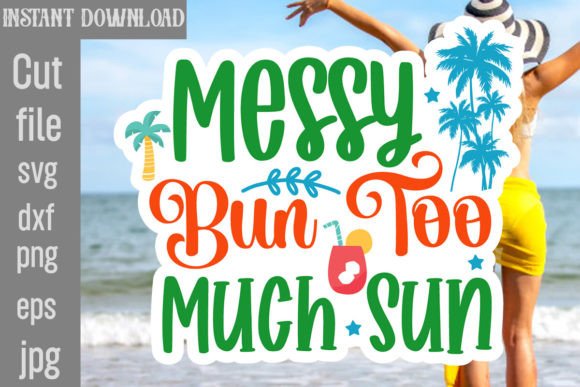
As someone who has spent years reviewing machine embroidery design files for both personal projects and commercial client work, I have learned that the difference between a good project and a great one often lies in the initial assessment of the digital asset. When I first encountered the Messy Bun Too Much Sun SVG Cut File, my immediate reaction was not about the file formats or the technical specs, but rather the mood it evokes. It captures a specific summer vibe that is instantly recognizable: relaxed, sunny, and effortlessly cool. This isn't just another generic floral pattern; it is a character-driven design that speaks to the "cool girl" aesthetic popular in handmade boutiques and craft fairs.
The title alone suggests a narrative. A messy bun and the sun are universal symbols of warm weather, beach days, and casual mornings. For an embroidery designer looking to create products for their shop, this translates into high potential for engagement. The visual personality of the design feels approachable and fun, making it perfect for items where the customer wants to express a bit of their personality without being overly formal. Whether you are an Etsy seller looking to boost your seasonal listings or a small business owner preparing inventory for a summer market, understanding the emotional resonance of the Messy Bun Too Much Sun SVG Cut File is the first step toward creating a finished product that sells.
From Digital Asset to Finished Product: A Real-World Scenario
To truly understand how this embroidery file performs, we need to look at a practical application. Let's imagine a scenario where I am preparing a custom order for a boutique client who specializes in lifestyle gifts. They need a unique item for a summer bridal shower or a bachelorette party. The goal is to create something that feels personalized and trendy. I decide to use the Messy Bun Too Much Sun SVG Cut File on a natural canvas tote bag intended as a gift for the bride-to-be.
The layout of the design is crucial here. The text and the graphic elements need to balance well within the available space. In my experience with handmade product creation, the placement of a design like this on a tote bag allows for a central focal point that draws the eye immediately. The "messy bun" element provides a soft, organic shape that contrasts nicely with the structured lines of the text. When stitched onto the fabric, the design creates a sense of movement, as if the hair is caught in a gentle breeze. This dynamic quality adds value to the finished product, elevating it from a simple promotional item to a piece of wearable art that customers will actually want to use.
Furthermore, the versatility of the design shines when considering other potential applications. Imagine applying this same digital embroidery file to a sweatshirt for a summer camp counselor or a baby onesie for a newborn arriving in June. The theme fits perfectly across these categories. The design acts as a versatile design asset that can be adapted for various custom apparel needs. The ability to scale the design while maintaining its integrity is key. If the details remain crisp when resized for a smaller item like a hat patch, the file is a strong candidate for commercial use.
Technical Considerations and Stitch Quality
While the concept is sound, the execution depends heavily on how the Messy Bun Too Much Sun SVG Cut File handles real-world stitching challenges. One of the primary concerns with any design featuring text and illustrative elements is stitch density. If the fill stitches are too dense, the fabric may pucker, especially on lightweight materials like linen or thin cotton blends often used for tote bag design projects. Conversely, if the density is too low, the design might lack definition, making the "sun" rays or the texture of the hair look washed out.
I always advise checking the thread color contrast before committing to a full run. The vibrant nature of the summer theme suggests using bright, saturated threads, but these must be balanced against the background fabric. On dark fabrics, a standard white underlay might not be sufficient, requiring a specialized stabilizer or a different thread choice to ensure the design pops. For commercial embroidery projects, consistency is paramount. You cannot have one batch of embroidered patches looking fuzzy while another looks sharp. This is why testing on scrap fabric is non-negotiable.
The design also presents specific challenges regarding hoop size and fabric texture. If you attempt to embroider this on a curved surface, such as a baseball cap, the distortion of the design around the curve must be accounted for. The text might need slight kerning adjustments to appear straight to the naked eye once stitched. Additionally, the "messy" aspect of the bun implies loose strands or softer edges. These areas require careful attention to running stitches and satin stitch angles to avoid tangling or bird's nesting. If the file includes applique elements, the stability of the backing material becomes even more critical to prevent fraying after repeated washing.
Where to Use (and Where to Be Careful)
This embroidery project excels in environments where the fabric is stable and the surface area is relatively flat. Pillow covers, kitchen towels, and aprons are ideal candidates because they offer ample space and sturdy fabric that can handle the stitch count required for detailed imagery. Similarly, for holiday embroidery or wedding gifts, the cheerful aesthetic aligns perfectly with celebratory themes. The design works beautifully as a personalized gift, adding a touch of whimsy to otherwise plain items.
However, there are areas where caution is advised. Small hoop sizes can be problematic if the design contains intricate details in the corners. Tiny lettering, in particular, can become illegible if the stitches are too close together or if the fabric shifts during the process. Thin or stretchy fabrics, such as certain jersey knits or sheer materials, should be avoided unless reinforced with heavy-duty stabilizers. Without proper support, the tension of the satin stitch could cause the fabric to gather, ruining the professional look of the small shop product.
Another consideration is the durability of the design for items that undergo frequent washing. While the summer theme is timeless, the longevity of the stitches depends on the quality of the thread and the stabilization method used. For items like caps or patches that might see heavy wear, ensuring the design is robust enough to withstand friction is essential. If the design features delicate outlines, they may fray over time, which could negatively impact customer trust and brand reputation.
Final Thoughts for the Creative Entrepreneur
The Messy Bun Too Much Sun SVG Cut File represents a solid opportunity for creators looking to expand their craft business offerings. Its strength lies in its ability to convey a specific, relatable mood that resonates with modern consumers. By treating it as a strategic tool rather than just a decorative element, designers can create cohesive collections that speak to their target audience. Whether you are producing printable mockups for online listings or crafting physical goods for a local market, the key is to respect the limitations of the medium while maximizing the creative potential.
Before integrating this Graphics category item into your workflow, remember to review the specific file formats provided—SVG, DXF, EPS, PNG, and JPEG—to ensure compatibility with your software and machine. Confirm the licensing terms to avoid any legal issues when selling finished product items. Test the design thoroughly, paying close attention to stitch density, thread colors, and fabric texture. With the right preparation, this design can become a staple in your repertoire, helping you deliver high-quality, emotionally engaging embroidery projects that stand out in a crowded marketplace.