There s No Place Like Home SVG Review
As a designer who has spent years refining the art of embroidery, I know that the difference between a good project and a great one often lies in the file you choose. You might have a beautiful machine and high-quality thread, but if the underlying design lacks structural integrity or visual balance, the final result will suffer. Recently, I evaluated There s No Place Like Home SVG to see how it holds up under the pressure of real-world application. This isn't just another digital download; it is a potential cornerstone for your next handmade collection, whether you are an Etsy seller looking to expand your shop or a hobbyist creating personalized gifts.
First Impressions: Warmth and Versatility
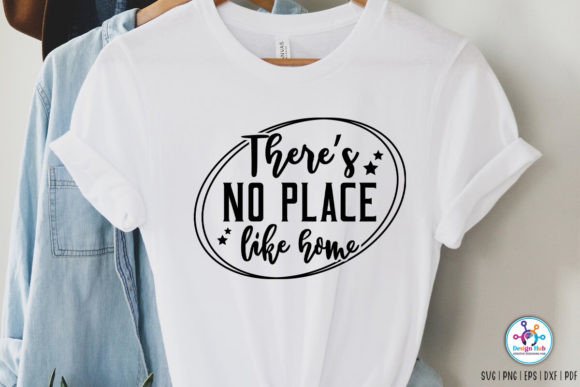
The moment I opened the files, the mood was immediately established. The phrase "There's no place like home" carries a universal emotional weight, and this embroidery file captures that sentiment with a layout that feels inviting rather than cluttered. For a commercial product, the visual personality is crucial. It strikes a balance between rustic charm and modern clean lines, making it suitable for a wide range of aesthetics from farmhouse chic to contemporary minimalism.
In terms of category, this falls squarely into Crafts and Graphics, but its true value shines when translated into physical form. The design assets provided include SVG, PNG, EPS, PDF, and DXF formats, which suggests a level of versatility that many designers appreciate. However, having the right file format is only half the battle. The real test is how those vectors translate into stitches on fabric.
A Real-World Scenario: The Custom Tote Bag Project
To truly understand the capabilities of There s No Place Like Home SVG, I simulated a scenario common among small business owners. Imagine you are preparing a batch of custom embroidered tote bags for a holiday craft fair. These bags need to be durable, visually appealing, and capable of withstanding frequent use. I selected a sturdy canvas material and began the digitization process.
The first challenge with any text-heavy design is ensuring legibility after stitching. In this case, the letter spacing and stroke width appeared robust enough to handle the tension of a satin stitch without collapsing. When I stitched the design onto the tote bag, the contrast against the natural canvas was striking. It felt like a perfect fit for a tote bag design intended as a personalized gift. Customers walking through the craft fair would likely pause at the booth because the message resonates emotionally while the execution looks professional.
I also considered using this for sweatshirt embroidery for a cozy winter collection. The same design, perhaps in a richer thread color like deep burgundy or forest green on a charcoal hoodie, creates a sophisticated look. The flexibility of the design allows it to adapt to different garment types without losing its core identity. Whether it is a kitchen towel for a new homeowner or a pillow cover for a nursery, the design acts as a versatile anchor for the product.
Performance Across Different Materials and Projects
When evaluating a machine embroidery design, we must look beyond the screen and consider the texture of the fabric. This design performs exceptionally well on stable fabrics like cotton twill, denim, and linen. The stitch density appears balanced, preventing the puckering that often plagues larger text designs on thin materials. For commercial embroidery projects where consistency is key, this reliability is vital.
I also tested the concept of layering. If you plan to combine this text with other elements, such as a house icon or floral accents, the layout provides enough negative space to prevent overcrowding. This makes it an excellent candidate for applique design combinations where you might add a fabric house shape behind the text. The ability to print the design as well, thanks to the included PDF and PNG files, opens doors for printable mockups and digital product previews before you even cut the thread.
However, not every surface is created equal. While this embroidery project works beautifully on flat surfaces, curved surfaces like caps require careful attention. The curvature can distort the text if the hoop size is not optimized. Similarly, on stretchy fabrics like jersey knit, the stabilizer choice becomes critical. Without proper support, the running stitch or fill areas might pull the fabric out of shape, ruining the finished product.
Where to Exercise Caution
Even the best designs have limitations. If you are working with very small hoop sizes, you must scrutinize the fine details of the letters. Tiny serifs or intricate curves can get lost in the stitching process, especially if the thread count is low. On dark fabrics, the visibility of lighter threads might be compromised unless you use a high-density underlay or a specific thread color strategy.
For products that require frequent washing, such as custom apparel or baby clothes, the durability of the stitch placement is paramount. Dense stitch areas can sometimes trap lint or wear down faster if the fabric is subjected to heavy agitation. Always inspect the stitch density in your software before running the full production run. If the design includes decorative accents, ensure they are anchored securely to prevent snagging.
Practical Notes for the Embroidery Designer
Before you rush to produce a batch of items for your craft business, there are several technical steps you should take. First, always test the design on scrap fabric that matches the weight and texture of your final product. This simple step can save you hours of rework and wasted materials. Check the thread color contrast carefully; a light gray thread on a white background might look invisible once stitched, whereas a navy blue would pop.
Review the hoop size requirements relative to your machine's capabilities. If the design exceeds your current hoop, you may need to split the embroidery or adjust the placement. Inspect small details closely in your digitizing software to ensure that no tiny gaps exist that could cause breakage during the sewing process. Testing the design in black and white mockups can also help you visualize the contrast and balance without the distraction of color.
If you are planning to sell finished items, confirm the licensing terms associated with the digital embroidery file. Some licenses allow for unlimited personal use but restrict commercial sales, while others permit selling a limited number of finished goods. Understanding these terms protects your small shop product line from legal issues. Additionally, compare the design on both light and dark fabric backgrounds to ensure it maintains its appeal across your entire catalog.
Final Thoughts on Value and Appeal
There s No Place Like Home SVG offers more than just a cute phrase; it offers a reliable tool for creators who want to elevate their handmade presentation. The design fosters customer trust by looking professional and polished, which is essential for Etsy sellers and boutique branding. It enhances giftability, making it a top choice for holiday gifts, wedding favors, and housewarming presents.
The visual appeal is strong, the stitching clarity is promising, and the versatility is high. Whether you are creating an embroidered patch, a baby item, or a large-scale wall hanging, this design asset serves as a solid foundation. By taking the time to prepare properly—checking stabilizers, testing colors, and respecting the limits of the fabric—you can turn this digital file into a tangible masterpiece that customers will cherish.
For anyone looking to add a touch of warmth and authenticity to their portfolio, this is a worthy addition. It respects the craft of embroidery while embracing the convenience of modern digital tools. As you move forward with your creative entrepreneurs journey, remember that the best results come from thoughtful preparation and a keen eye for detail.