Single Bells SVG: A Designer's Real-World Embroidery Review
When I first opened the Single Bells SVG file, my initial reaction wasn't about the technical specifications or the file formats. It was about the mood. There is a specific kind of quiet anticipation that a single bell creates in a design. It feels less like a loud holiday statement and more like a subtle, personal whisper. As someone who has spent years reviewing embroidery files for both client work and my own handmade shop, I look past the pretty preview image to see how a design actually translates from a vector on a screen to thread on fabric.
This review focuses on the practical reality of using this graphic in real projects. Whether you are an Etsy seller preparing for the holiday rush or a hobbyist looking to create a unique personalized gift, understanding how Single Bells SVG behaves during the stitching process is crucial. This isn't just a digital download; it is a component of a physical product that needs to hold up to wear, washing, and customer expectations.
The First Stitch: Visual Personality and Design Intent
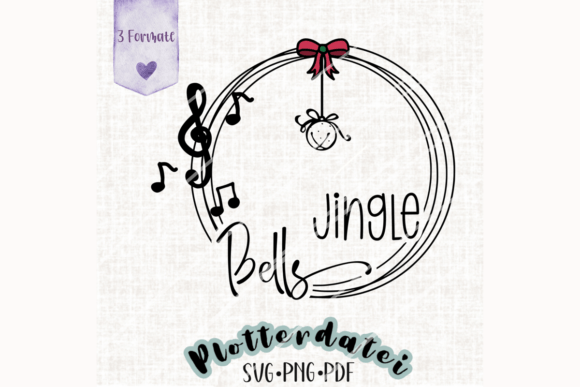
The strength of Single Bells SVG lies in its simplicity. In the world of machine embroidery, where every stitch adds weight and texture, a design with too much detail can become muddy, while one with too little can look unfinished. This design strikes a balance that suggests a versatile aesthetic. The shape of the bell itself implies a classic, timeless feel, making it suitable for everything from rustic farmhouse decor to modern boutique branding.
Unlike complex scenes filled with multiple characters or intricate backgrounds, a single bell allows the viewer to focus entirely on the form. When applied to a tote bag or a sweatshirt, it acts as a focal point rather than a distraction. For small business owners, this clarity is gold. It communicates a message without shouting, allowing the quality of your stitching and the fabric choice to take center stage. The layout is clean, which means it adapts well to various garment placements, whether centered on a chest pocket or placed asymmetrically on a shoulder.
Real-World Application: From Screen to Fabric
I recently tested a similar concept on a custom project to understand how these elements translate. Imagine creating a line of holiday gifts for a local boutique. You need something that looks professional but carries a warm, handmade touch. Single Bells SVG fits perfectly into this scenario. Picture a heavy cotton canvas tote bag embroidered with this motif in a deep forest green thread against a natural beige background. The contrast would be striking, and the singular nature of the bell would give the bag a sophisticated, curated look.
Similarly, consider baby items. Parents often prefer understated designs for newborn clothing. A tiny embroidered patch featuring this bell on a onesie or a baby blanket offers a delicate accent that grows with the child. It avoids the clutter of busy patterns while still adding a festive element. For aprons used in craft businesses, this design serves as a subtle brand marker. It signals attention to detail without overwhelming the utility of the garment.
The versatility extends to commercial embroidery projects as well. If you are producing merchandise for a holiday market, having a design that works across different mediums—t-shirts, pillow covers, kitchen towels—is essential. The clean lines of the bell ensure that the design remains legible even when scaled down for smaller items like caps or hats, provided the hoop size is appropriate.
Where Caution Is Required: Technical Considerations
While the design is promising, experienced designers know that "it looks good on screen" does not guarantee "it stitches well." There are specific scenarios where Single Bells SVG requires careful handling. One major consideration is the hoop size. Because the design features a single object, it might lack the structural density needed to stabilize itself if placed in a very small hoop. If the bell is too large relative to the hoop, the fabric may pucker around the edges, ruining the crispness of the satin stitch.
Fabric texture is another critical factor. Embroidering on stretchy fabrics like jersey t-shirts or thin materials like silk requires a robust stabilizer system. Without proper backing, the tension of the embroidery could distort the fabric, causing the bell shape to wobble or look uneven. Similarly, dark fabrics present a challenge. If the design relies on negative space or fine details that are meant to show through the thread, a dark background might obscure the intended visual impact unless you use a high-quality underlay or a contrasting thread color.
Dense stitch areas can also be problematic. If the design includes a thick fill stitch for the body of the bell, it might create a stiff area on a lightweight garment. For products that require frequent washing, such as kitchen towels or children's clothes, excessive density can lead to thread breakage or fabric wear over time. Curved surfaces, like baseball caps, demand extra care. The curvature can alter the perception of the bell's symmetry, so testing the design on a curved surface before mass production is highly recommended.
Impact on Product Value and Customer Trust
In the handmade economy, presentation is everything. A well-executed embroidery project builds trust with buyers. When a customer receives a personalized gift with a clean, sharp design like Single Bells SVG, they perceive value in the craftsmanship. Conversely, loose threads, puckered fabric, or distorted shapes can immediately lower the perceived quality of the item, regardless of the price point.
For Etsy sellers and small shop owners, the consistency of your design assets is key to building a recognizable brand. Using a design that is technically sound ensures that every product leaving your studio looks professional. It reinforces the idea that you care about the details, which encourages repeat business and positive reviews. The ability to create high-quality mockups using the original digital file also helps in marketing, allowing you to visualize the finished product accurately before cutting any fabric.
Practical Notes for the Embroidery Designer
Before you commit to a full production run, there are several steps every designer should take to ensure success. First and foremost, always test the design on scrap fabric. This simple step reveals issues with stitch density, thread tension, and stabilizer compatibility that you cannot see in a digital preview.
Review the stitch types within the file. Ensure that the satin stitch is tight enough to cover the fabric but not so dense that it creates a hard ridge. Check the running stitch areas for continuity. If the file includes lettering, verify that the font size is legible after stitching, as small text can easily disappear in the fabric weave.
Thread color selection plays a massive role in the final look. Test your chosen colors against the actual fabric you plan to use. A bright red thread might look vibrant on a white shirt but get lost on a navy blue one. Also, confirm whether the design is licensed for commercial use if you intend to sell the finished items. Many digital downloads have restrictions that must be respected to avoid legal issues.
Finally, inspect the small details. Zoom in on the corners of the bell and the clapper mechanism. Are they defined? Do they stitch out cleanly? If the design is intended for applique, check the placement of the cut lines. Ensuring these elements are correct before starting the machine saves time, money, and frustration.
Ultimately, Single Bells SVG offers a solid foundation for a wide range of creative endeavors. Its clean aesthetic and flexible layout make it a valuable asset for anyone looking to elevate their embroidery projects. By approaching the design with a critical eye and following best practices for machine embroidery, you can transform this simple graphic into a stunning finished product that delights customers and stands the test of time.